

Understanding Hyperpigmentation and the Role of Hydroquinone in Achieving a More Even Complexion
Uneven skin tone is one of the most common skincare concerns worldwide. From stubborn acne marks and sun spots to melasma and age-related discoloration, hyperpigmentation can affect people of all ages and skin types. While many cosmetic products claim to brighten the skin, not all ingredients are equally effective when it comes to targeting excess pigmentation at its source.
Among the most recognized ingredients in pigmentation-focused skincare, hydroquinone has maintained a strong reputation for decades. Dermatologists and skincare professionals often consider it one of the most effective topical options for reducing the appearance of dark spots and promoting a more balanced complexion. Hydroquinone works by reducing melanin production, helping to gradually fade areas of discoloration and improve overall skin tone.
What Is Hyperpigmentation?

Hyperpigmentation occurs when the skin produces excess melanin in certain areas. Melanin is the pigment responsible for the color of the skin, hair, and eyes. When melanin production becomes uneven, darker patches or spots may develop.
Common causes of hyperpigmentation include:
- Prolonged sun exposure
- Hormonal fluctuations
- Acne and post-acne marks
- Skin irritation or inflammation
- Aging
- Certain medications
Although hyperpigmentation is generally harmless, many people seek treatment because of its impact on skin appearance and confidence.
Why Dark Spots Often Persist
One reason pigmentation can be difficult to treat is that it develops gradually and often exists below the skin’s surface. Even after the original trigger disappears, excess pigment may remain visible for months.
Several factors contribute to persistent discoloration:
Ongoing Sun Exposure
Even limited exposure to ultraviolet radiation can stimulate additional melanin production, making existing dark spots more noticeable.
Slow Skin Renewal
As skin ages, its natural cell turnover process slows. This means pigmented cells may remain on the skin for longer periods.
Repeated Inflammation
Conditions such as acne can continuously trigger pigment production, leading to recurring dark marks and uneven tone.
Because multiple mechanisms contribute to hyperpigmentation, successful treatment often requires both targeted ingredients and consistent skincare habits.
How Hydroquinone Works
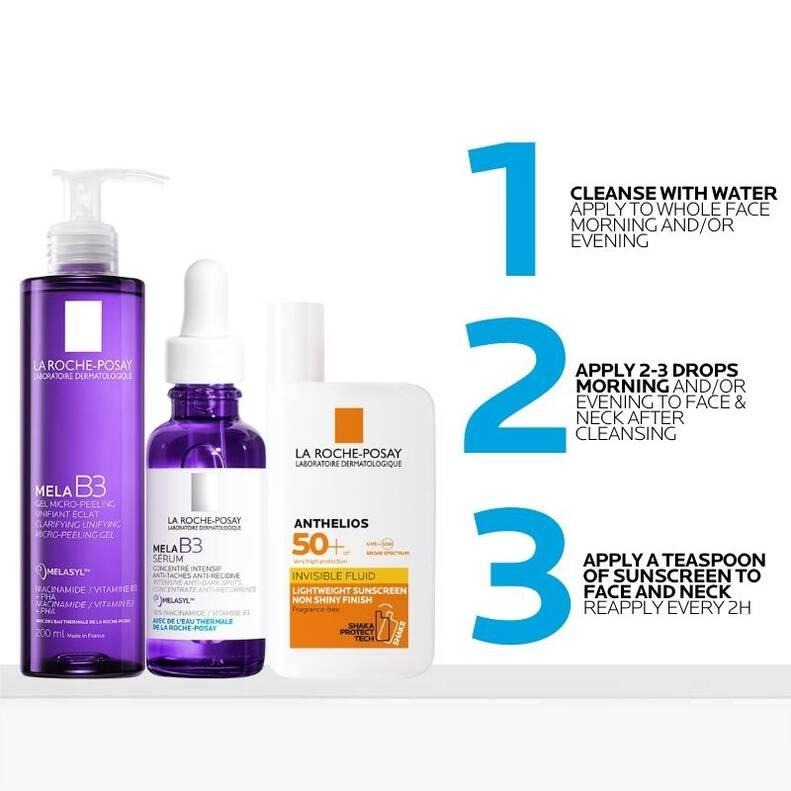
Hydroquinone is widely known as a skin-lightening agent that targets the production of melanin. It works by inhibiting tyrosinase, an enzyme involved in the formation of pigment within the skin. As melanin production decreases, dark patches gradually become less noticeable and blend more evenly with surrounding skin. (OKDERMO Skin Care)
Unlike products that simply brighten the surface of the skin, hydroquinone addresses one of the primary biological causes of hyperpigmentation. This targeted approach has contributed to its long-standing popularity in pigmentation management.
Skin Concerns Commonly Treated With Hydroquinone
Hydroquinone-based formulations are frequently used to address a variety of pigmentation-related concerns.
Melasma
Melasma often appears as symmetrical brown or gray-brown patches on the face. Hormonal changes, pregnancy, and sun exposure are common contributing factors. Hydroquinone is frequently incorporated into skincare routines designed to reduce the appearance of these patches. (OKDERMO Skin Care)
Post-Inflammatory Hyperpigmentation
After acne breakouts, cuts, burns, or other skin injuries heal, dark marks may remain behind. Hydroquinone is commonly used to help reduce the appearance of these residual spots.
Sun Spots and Age Spots
Years of ultraviolet exposure can lead to localized areas of discoloration. Addressing excess pigment production may help improve the appearance of these spots over time.
Uneven Skin Tone
Many individuals seek hydroquinone-based products not only for isolated dark spots but also to promote a more uniform complexion overall.
The Importance of Consistent Application
One of the most common misconceptions about pigmentation treatment is the expectation of immediate results. Skin renewal is a gradual process, and visible improvements typically require consistent use over time.
Several factors influence results:
- Severity of pigmentation
- Duration of discoloration
- Individual skin type
- Daily sun exposure
- Overall skincare routine
Patience and consistency are often essential for achieving noticeable improvements.
Supporting Results With Proper Skincare
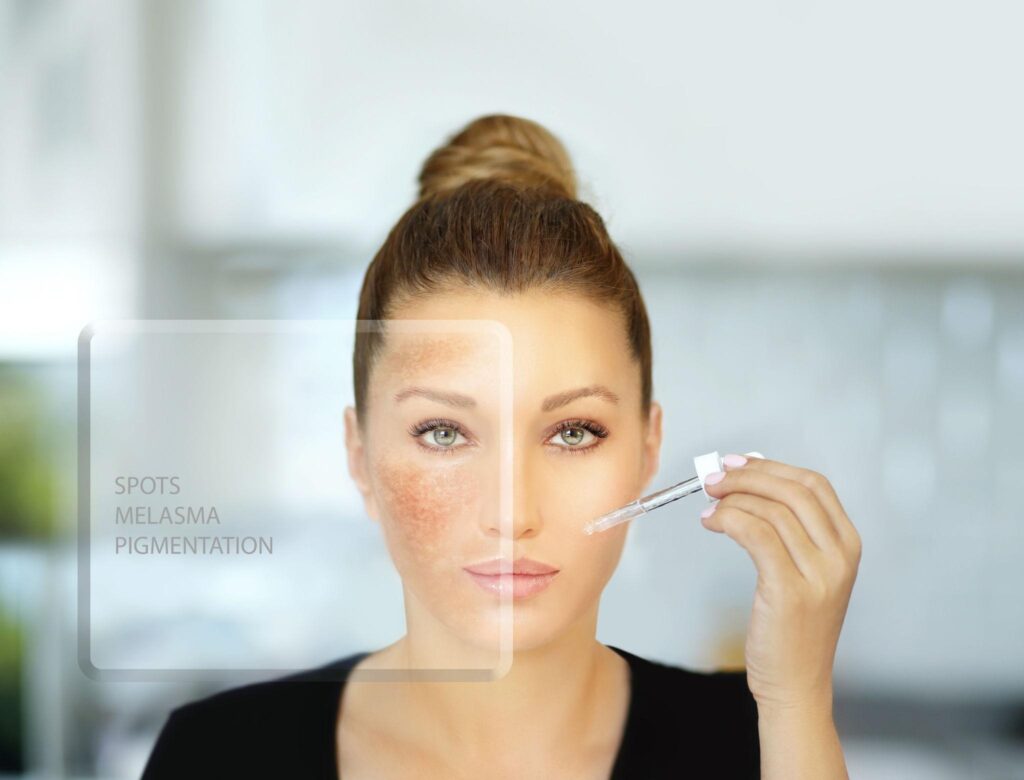
Hydroquinone is most effective when combined with a comprehensive skincare routine.
Daily Sunscreen Use
Sun protection is one of the most important aspects of managing pigmentation. Exposure to UV rays can stimulate additional melanin production and interfere with treatment progress. Consistent sunscreen use helps maintain improvements and reduce the risk of new discoloration.
Gentle Cleansing
Using a mild cleanser helps remove impurities while maintaining the integrity of the skin barrier.
Adequate Hydration
Moisturized skin tends to tolerate active ingredients more comfortably and often appears healthier overall.
Avoiding Excessive Irritation
Overusing exfoliants or combining multiple strong active ingredients can increase irritation, which may worsen pigmentation concerns in some cases.
Choosing a Hydroquinone-Based Solution
As awareness of pigmentation treatments continues to grow, many people seek products specifically formulated to address dark spots, melasma, and uneven skin tone.
One popular option is Melalite 4% Hydroquinone Cream, a formulation containing 4% hydroquinone that is commonly used in skincare routines focused on reducing hyperpigmentation and supporting a more even complexion. Products containing hydroquinone 4% are often selected by individuals seeking a targeted approach to persistent discoloration and dark spots.
Common Mistakes to Avoid
While hydroquinone can be highly effective, several mistakes may limit results.
Inconsistent Use
Skipping applications or frequently changing products can make it difficult to evaluate progress.
Ignoring Sun Protection
Even effective pigmentation treatments may produce limited improvements if UV exposure continues unchecked.
Overapplication
Using larger amounts of product does not necessarily improve outcomes and may increase irritation.
Expecting Immediate Changes
Pigmentation concerns generally improve gradually rather than overnight.
Building Long-Term Skin Confidence
Reducing dark spots is often about more than appearance alone. Many individuals find that improvements in skin clarity contribute to greater confidence and satisfaction with their overall skincare routine.
A consistent regimen focused on protection, hydration, and targeted treatment may help support:
- A more even complexion
- Reduced visibility of dark spots
- Improved skin clarity
- Greater skin confidence
- Healthier-looking skin overall
Final Thoughts
Hyperpigmentation remains one of the most challenging cosmetic skin concerns, but advances in skincare have made effective treatment more accessible than ever. Hydroquinone continues to be recognized as one of the most effective ingredients for addressing excess melanin production and reducing visible discoloration.
When combined with proper skincare habits and daily sun protection, hydroquinone-based products may help individuals achieve a brighter, clearer, and more balanced complexion over time.


